

Deep Tissue - 60 mins Gallery
$$MultiPurposeText$$
See examples of our Deep Tissue - 60 mins work and results.





What Our Clients Say
$$MultiPurposeText$$
Read testimonials from our satisfied customers

I recently visited Custom Massage Therapy and had an incredible experience! From the momen...more

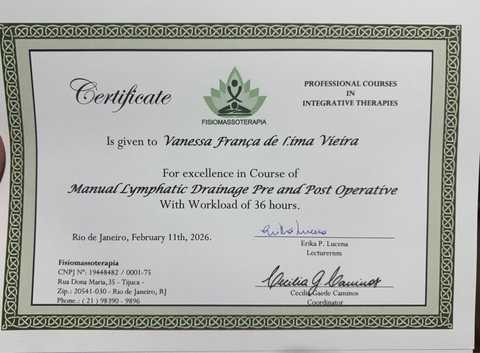
I had a deep tissue/sports massage with Vanessa and it was excellent. She was professional...more

Frequently Asked Questions
Get answers to common questions about Deep Tissue - 60 mins.
You may feel discomfort during targeted work, but therapists modulate pressure to your tolerance. Communicate any pain level; sessions include warming and gradual techniques to minimize soreness. Mild post-treatment achiness is normal and usually resolves within a day or two.
Hydrate well and avoid heavy meals or intense exercise right beforehand. Wear comfortable clothing and arrive a few minutes early to complete health forms. Share medical history, current pain areas, and any recent injuries with your therapist for a tailored, safe session.
Deep tissue targets deeper muscle layers and adhesions using firmer pressure and slower strokes, while Swedish focuses on broad relaxation with lighter techniques. Deep Tissue aims to resolve chronic tension and improve mobility rather than primarily inducing surface-level relaxation.
Many clients experience immediate relief lasting days to weeks, depending on condition severity and follow-up care. Regular sessions, stretching, hydration, ergonomics, and home exercises extend benefits. Your therapist will recommend a frequency plan tailored to your goals and recovery needs.
Not always; it depends on injury type and healing stage. Acute injuries, open wounds, or recent surgery require medical clearance. Your therapist will assess and may offer gentler techniques or refer you to a physician to ensure treatment is safe and effective.
Often yes—chronic issues typically require a short series of treatments, then maintenance sessions. Frequency depends on pain level, severity, and response. Your therapist will propose a personalized plan with measurable goals and adjust timing based on progress and your lifestyle.
Read more about Deep Tissue - 60 mins
$$MultiPurposeText$$
Explore our latest insights and guides on Deep Tissue - 60 mins.


Neck & Shoulder Knots — Is Deep Tissue - 60 mins Right for You?
Published On: July 18, 2026