

Prenatal Massage Gallery
$$MultiPurposeText$$
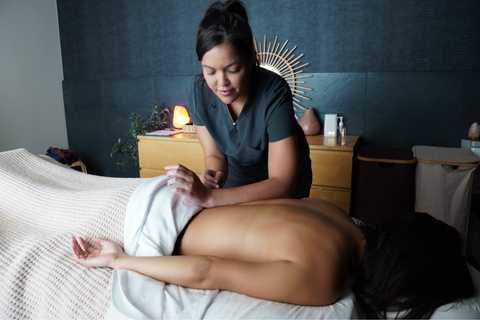
See examples of our Prenatal Massage work and results.



What Our Clients Say
$$MultiPurposeText$$
Read testimonials from our satisfied customers

Very good massage definitely ill be back

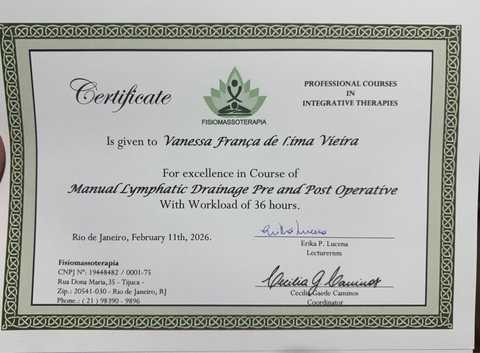
Vanessa gave an excellent massage experience—professional, attentive, and made sure the pr...more

I had such an amazing experience at Custom Massage Therapy. From the moment I walked in, t...more

Vanessa at Custom Massage Therapy is absolutely the best! She is professional, kind, and t...more

Custom Massage Therapist It is definitely my favorite spot for a massage. I always leave t...more

Called the spa had a quick return call after leaving voicemail. Scheduled my appointment. ...more

Frequently Asked Questions
Get answers to common questions about Prenatal Massage.
Prenatal Massage is generally safe when performed by a trained therapist using pregnancy-specific techniques. We modify pressure and positioning based on trimester and medical history. Always consult your obstetric provider if you have complications such as preeclampsia, bleeding, or high-risk pregnancy.
Arrive hydrated, well-rested, and wearing comfortable clothing. Bring prenatal records or a note about your due date and any medical concerns. Avoid heavy meals immediately before your session and communicate any discomfort or pregnancy-related symptoms to your therapist before treatment.
We primarily use side-lying positions supported by bolsters or cushions to ensure comfort and safety. Seated techniques and modified prone positioning with special tables or pillows may be used. All positions are adjusted for each client's trimester and personal comfort.
Contraindications include uncontrolled high blood pressure, preeclampsia, active bleeding, placental complications, recent blood clots, or certain infections. We conduct a thorough intake and will consult your healthcare provider when needed to ensure massage is safe for you and your baby.
Frequency depends on symptoms and trimester; many clients benefit from weekly or biweekly sessions for pain relief, while others schedule monthly maintenance appointments. We tailor a plan based on your needs, comfort level, and your healthcare provider's recommendations.
Prenatal Massage can support labor preparation by reducing stress, improving circulation, and easing pelvic and back tension. Postpartum treatments aid recovery by addressing muscle soreness and promoting relaxation. Always discuss timing with your care provider and your therapist for individualized planning.