

Sports Massage - 60 mins Gallery
$$MultiPurposeText$$
See examples of our Sports Massage - 60 mins work and results.
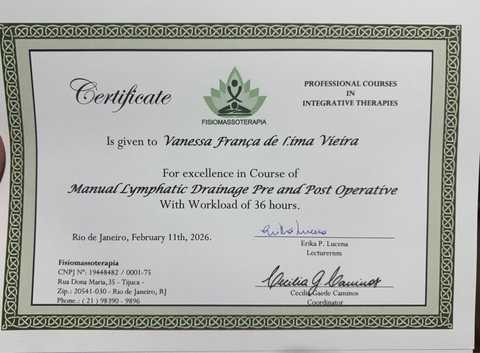
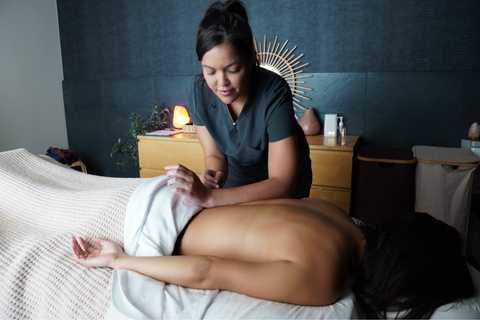
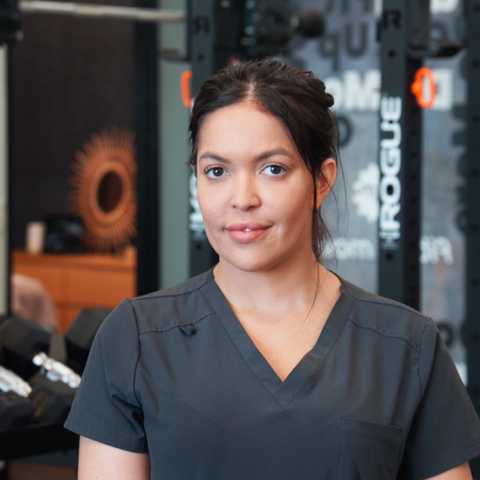
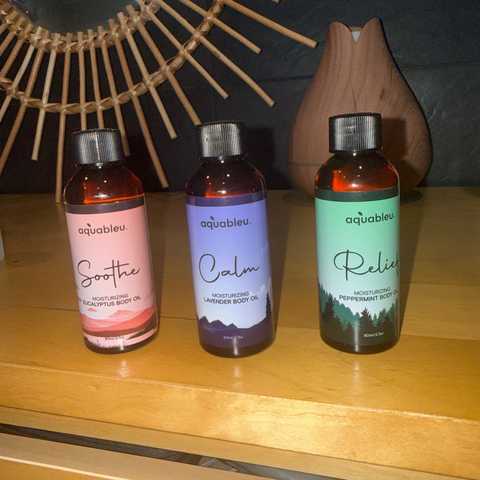


What Our Clients Say
$$MultiPurposeText$$
Read testimonials from our satisfied customers

Very good massage definitely ill be back

Vanessa gave an excellent massage experience—professional, attentive, and made sure the pr...more

I had such an amazing experience at Custom Massage Therapy. From the moment I walked in, t...more

Vanessa at Custom Massage Therapy is absolutely the best! She is professional, kind, and t...more

I had a deep tissue/sports massage with Vanessa and it was excellent. She was professional...more

Custom Massage Therapist It is definitely my favorite spot for a massage. I always leave t...more

Frequently Asked Questions
Get answers to common questions about Sports Massage - 60 mins.
Expect a brief movement assessment, focused deep-tissue or myofascial techniques on sport-specific muscles, and guided stretching. Your therapist will check pressure and adapt to your needs, finishing with recovery advice and recommendations for post-treatment care.
Frequency depends on training intensity and goals. Competitive athletes often benefit from weekly or biweekly sessions during heavy training, while maintenance clients schedule monthly treatments. We tailor a plan to balance recovery, performance goals, and event preparation.
Yes, it can support rehabilitation by reducing scar tissue, improving circulation, and restoring mobility when integrated with a treatment plan. We modify techniques for acute injuries and collaborate with your physician or physiotherapist when needed.
Pressure is adjustable and tailored to your tolerance; some discomfort during deep work or trigger-point release is normal, but it should never be unbearable. Communicate with your therapist throughout the session to ensure effectiveness while keeping you comfortable.
Hydrate well, wear comfortable clothes, and avoid heavy meals immediately beforehand. Bring information about recent injuries, medications, or training schedules. Arrive a few minutes early to complete intake forms so your therapist can personalize the session.
Many clients notice immediate reduced tension, improved range of motion, and quicker recovery within 24–48 hours. Regular treatments enhance performance, decrease injury risk, and support consistent training. Results vary by individual and training load.
Read more about Sports Massage - 60 mins
$$MultiPurposeText$$
Explore our latest insights and guides on Sports Massage - 60 mins.
